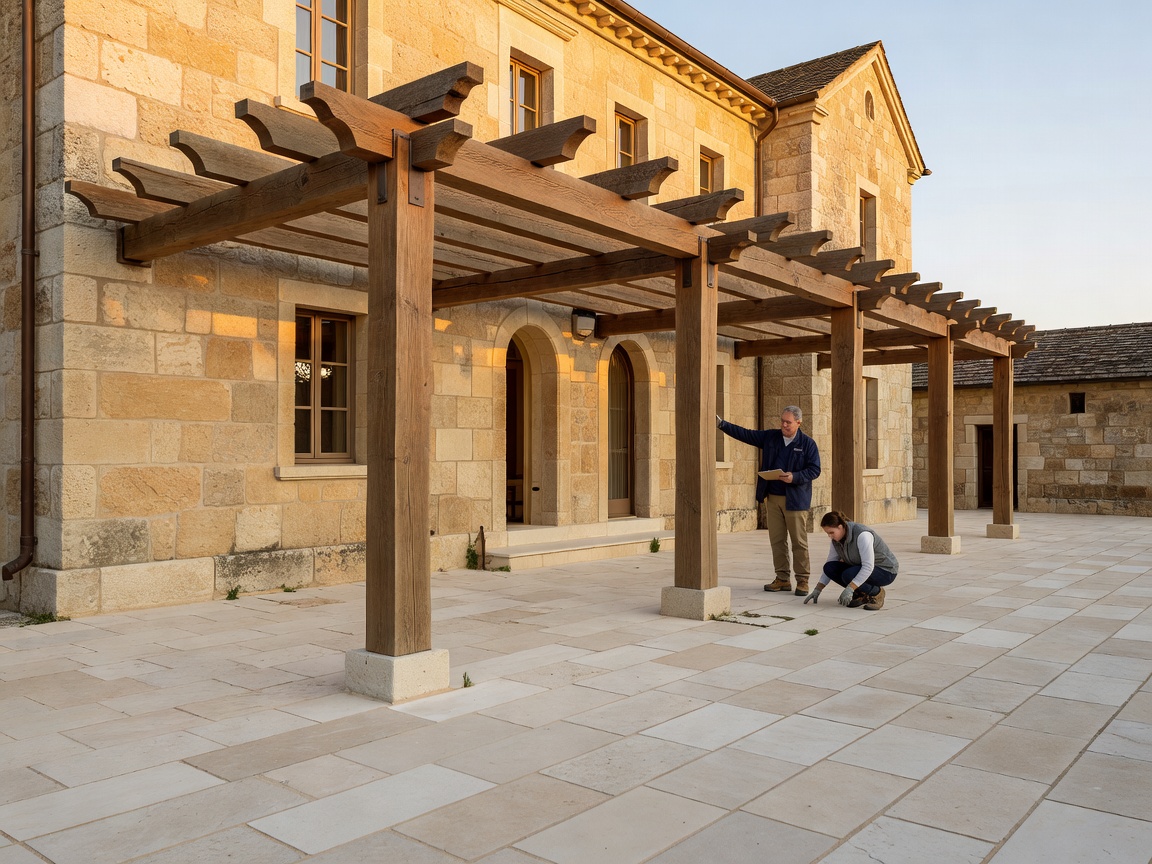
The Purpose of Routine Villa Audits
Luxury properties age under continuous environmental pressure. Coastal estates endure airborne salt crystals that pit stainless steel and corrode electrical circuits. Hilltop residences face intense ultraviolet exposure and thermal expansion cycles.
A routine property inspection is not a substitute for statutory structural engineering or electrical safety certifications. Rather, it is an ongoing operational triage designed to catch early warning signs of degradation while repairs are still minor and manageable.
Moisture, Salt Mist & Sub-Surface Leaks
Water is the number one destroyer of Mediterranean villa value. During regular walkthroughs, inspectors focus heavily on concealed moisture risks:
- Under-sink reverse osmosis units and waste traps: Checking cabinet floor bases with a high-sensitivity moisture pin meter to detect slow weeping joints.
- Terrace waterproofing expansion joints: Inspecting elastomeric silicone beads around infinity pool coping and master suite balconies. A hairline split in an outdoor seal can allow winter rainwater to migrate beneath indoor travertine flooring.
- Basement plant room condensation: Monitoring relative humidity levels in subterranean wine cellars, cinema rooms, and technical plant spaces.
Doors, Glazing & Architectural Hardware
Large format minimalist sliding glass doors are a staple of contemporary Mediterranean luxury. However, high wind loads and building settlement can misalign these heavy multi-hundred-kilo panels:
Inspectors test every panel for effortless gliding resistance, verifying that bottom drainage weep holes are clear of sand and pine needles. Multi-point locking bolts, friction stays on awning windows, and motorized blind tracks are checked and lubricated with dry PTFE spray to avoid attracting dust.
Documenting Issues & Categorization Matrix
Writing "fix the guest bathroom" in a notebook is useless. Effective estate inspection relies on an objective three-tier priority matrix:
- Priority 1 (Critical / Imminent Guest Impact): Direct faults affecting guest comfort or security—e.g., failed master AC inverter, jammed driveway gate, or foul water trap odors. Requires resolution within 4 to 12 hours.
- Priority 2 (Preventative / Asset Protection): Issues that do not immediately halt a stay but could worsen if ignored—e.g., slight weeping from an irrigation solenoid, minor deck timber splintering, or chipped pool mosaic tiles.
- Priority 3 (Aesthetic / Seasonal Refurbishment): Minor cosmetic imperfections—e.g., scuffed skirting boards in service corridors or slight sun fading on outdoor cushion fabrics—scheduled for off-season repainting.
Inspection Frequency Considerations
Inspection frequency naturally shifts with the property lifecycle. During peak rental months, light visual checks occur during every housekeeping turnover. During vacant autumn and winter periods, a comprehensive bi-weekly inspection schedule keeps the owner fully informed via structured photographic logs.