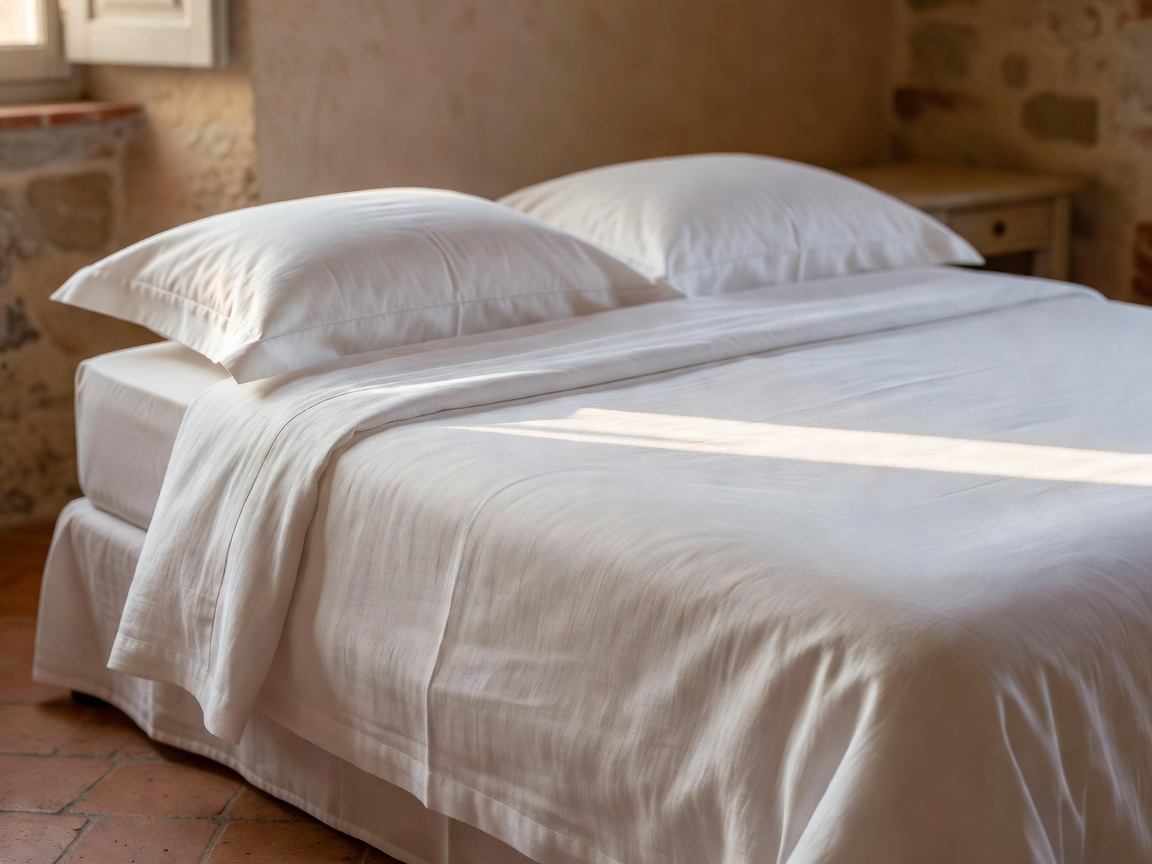
The Anatomy of a Luxury Turnover
If you've ever walked into a private villa after a five-hour flight, you know within ten seconds whether the housekeeping crew rushed through or truly understood the rhythm of the house. You can smell it in the air—or rather, you notice the lack of harsh chemical fumes—and you see it in the tension of the bed linen, the absolute clarity of sliding glass panels, and the absence of water droplet marks on matte black bathroom fixtures.
Standard turnover cleaning focuses on what is visibly dirty. Luxury estate housekeeping, by contrast, operates on the principle of total atmospheric reset. Every trace of the previous occupant's presence must disappear without stripping the residence of its warmth or personality.
Routine Housekeeping vs. Changeover Cleaning
During an occupied stay, housekeeping is polite, discreet, and fast. The team slips in during morning beach outings or afternoon excursions, making beds with crisp hospital corners, refreshing plush bath towels, wiping down marble kitchen counters, and emptying discreet wastebaskets. The goal is invisible upkeep.
Changeover day, however, is an orchestrated operational surge. When one group departs at 10:00 AM and the next arrives at 4:00 PM, there is zero margin for hesitation. Housekeepers must coordinate room-by-room rotations:
- Linen stripping and immediate sorting: High-thread-count Egyptian cotton sheets and heavy waffle towels must be bagged separately to prevent abrasive friction during washing.
- Mattress and pillow inspection: Checking for sweat marks, moisture ingress, or compromised pillow protectors before fresh linens are brought in.
- Deep vacuuming under furniture: Moving nightstands, low-slung sofas, and patio loungers where sea sand and pine needles inevitably collect.
- Refrigeration strip-down: Clearing all opened foodstuffs, wiping down glass shelves with food-grade neutral detergents, and sanitizing ice dispensers.
Bedrooms & Bathrooms: The Presentation Benchmark
In luxury villa hospitality, the primary suite is scrutinized first. Housekeepers follow a strict top-down cleaning protocol: ceiling fan blades and AC return grilles first, down through wall sconces, headboards, mattress flips, bedside tables, and finally the floor perimeter.
Bathrooms require specialized chemistry. Mediterranean tap water is notoriously hard, rich in calcium and minerals that leave cloudy deposits on glass shower screens and polished chrome or brass taps. Using aggressive acidic descalers on Carrara marble or limestone surfaces will permanently etch the stone within minutes. Housekeepers use pH-neutral surfactants and micro-fiber drying squeegees to achieve brilliance without compromising the stone finish.
Kitchens, Pantries & Outdoor Culinary Zones
Modern holiday villas frequently boast high-spec appliances: induction ranges, dual-zone wine coolers, built-in espresso machines, and outdoor wood-fired pizza ovens. Each appliance has its own care regimen:
- Espresso machines: Descaling water tanks and flushing milk steamers with non-tainting organic sanitizers.
- Wine cellars: Checking humidity settings and wiping internal LED tracks to eliminate moisture build-up.
- Outdoor barbecue grills: Scrubbing cast iron grates, clearing grease trays, and polishing stainless steel hood surrounds to prevent seaside oxidation.
High-Touch Areas & Cross-Team Coordination
Before a supervisor signs off on a room, a designated high-touch sweep is conducted. This involves wiping TV remotes, home automation touchscreens, curtain pull wands, door levers, light switches, safe keypads, and sliding balcony handles with specialized anti-static wipes.
Crucially, housekeeping serves as the primary intelligence network for the maintenance team. If a housekeeper spots a slow sink drain in Suite 3 or notices condensation dripping from an air conditioning vent in the salon, it gets logged into the central maintenance schedule immediately—preventing an awkward guest complaint hours later.